
Residential vs Commercial Construction: Key Differences Property Owners Should Know
While residential and commercial construction may appear similar on the surface, they are fundamentally different in scope, regulation, and execution. In Palm Beach County, understanding these differences is essential for homeowners, business owners, and investors planning a successful project.
Below is a clear breakdown of what separates residential and commercial construction — and why it matters.
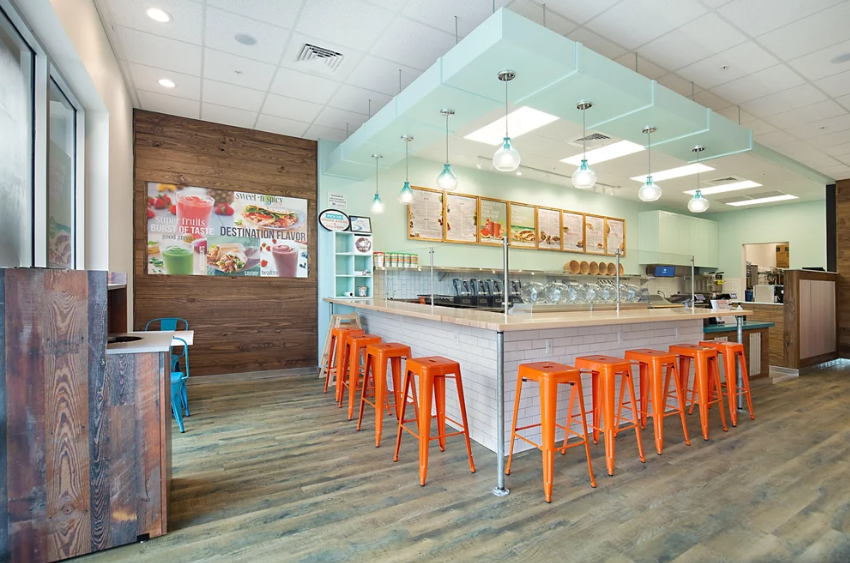
1. Codes, Regulations & Compliance
Residential Construction
Residential projects follow:
Florida Residential Building Code
Local zoning regulations
Wind-load and flood-zone requirements
Energy efficiency standards
Luxury homes may include additional engineering reviews, especially in coastal or equestrian areas.
Commercial Construction
Commercial projects must comply with:
Florida Building Code (Commercial)
ADA accessibility requirements
Fire suppression and life-safety systems
Occupancy-specific regulations (medical, retail, food service, office)
Commercial compliance is significantly more complex and inspection-heavy.
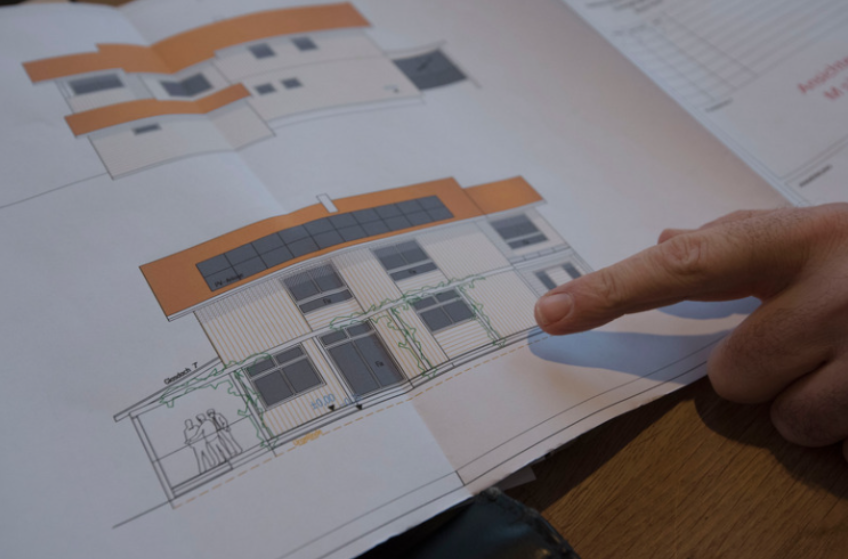
2. Design & Engineering Complexity
Residential construction typically focuses on:
-Comfort and livability.
-Personal aesthetics.
-Long-term durability.
-Customization.
Commercial construction prioritizes:
-Operational efficiency.
-Public safety.
-Structural load capacity.
-Mechanical and electrical demand.
Because of this, commercial projects require more extensive engineering coordination.
3. Permitting & Approval Timelines
In Palm Beach County, residential permits are generally more straightforward, though custom and luxury homes can still involve multiple review cycles.
Commercial permits often require:
-Multiple departmental approvals.
-Fire marshal review.
-Health department coordination (for certain uses).
-Longer review periods.
Permitting alone can add months to commercial project timelines.
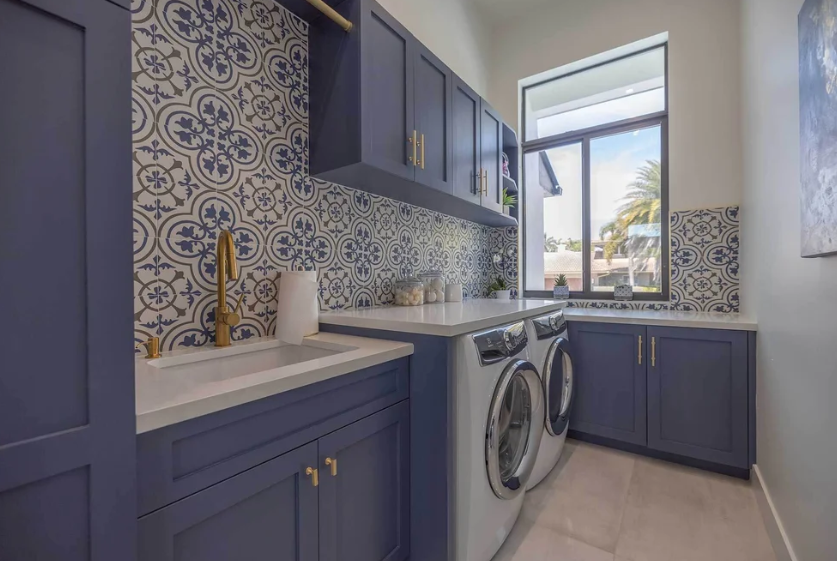
4. Construction Timelines
Residential timelines depend on:
-Home size and complexity.
-Custom features.
-Site conditions.
Commercial timelines depend on:
-Type of occupancy.
-Scope of build-out.
-Specialty systems.
-Inspection sequencing.
Commercial schedules are less flexible due to business opening deadlines and lease obligations.
5. Materials & Systems
Residential construction emphasizes:
Finish quality.
Comfort.
Visual appeal.
Commercial construction requires:
Heavier structural systems.
Commercial-grade HVAC.
Fire-rated assemblies.
Durable, high-traffic materials.
The materials used must meet different performance standards.
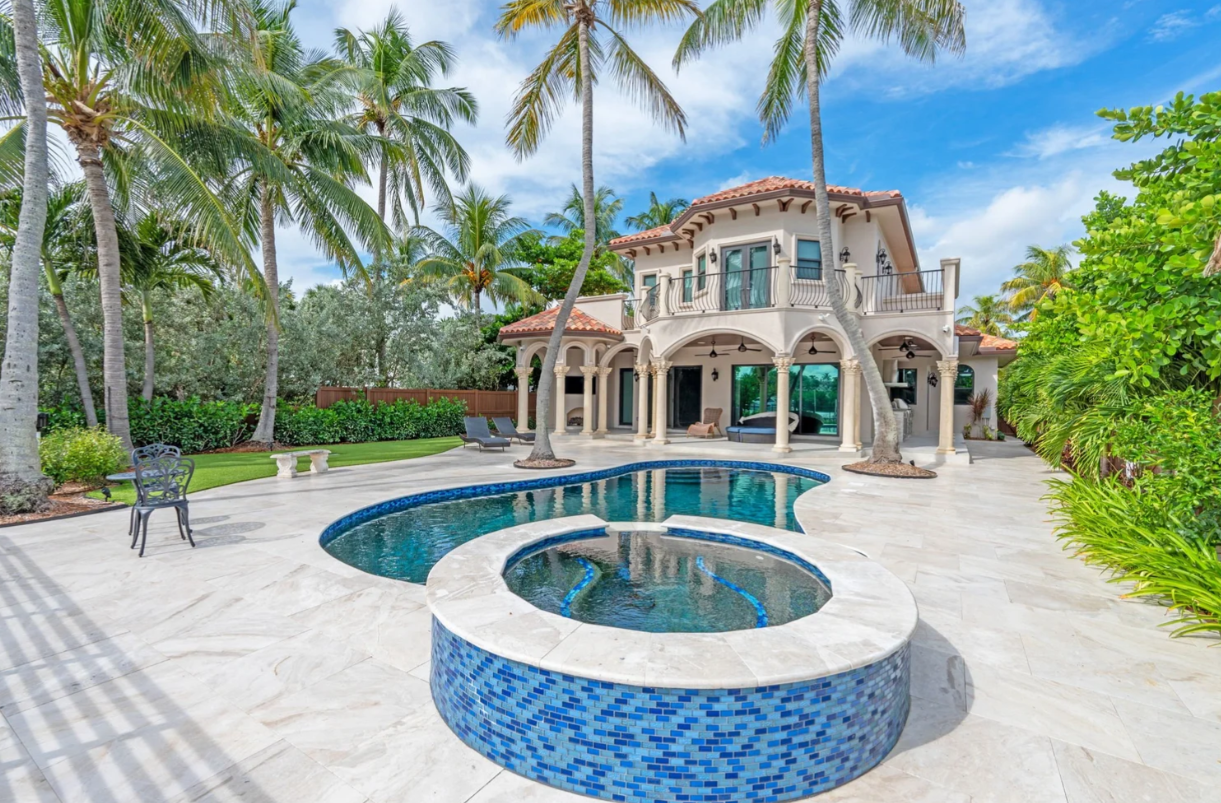
6. Budgeting & Cost Structure
Residential budgets are often driven by:
Finish selections.
Custom design choices.
Long-term maintenance.
Commercial budgets must account for:
Code-driven systems.
Specialty trades.
Compliance costs.
Business interruption risk.
Commercial cost overruns often come from late changes or missed regulatory requirements.
7. Choosing the Right Builder Matters
A contractor experienced in residential luxury homes may not be qualified for commercial construction — and vice versa.
The right builder understands:
Applicable codes
Inspection sequencing
Project management requirements
Risk mitigation
Matching experience to project type protects your investment.
Contact Thomasevich Construction today to get started on your project
