
Equestrian Barn Safety Checklist for Palm Beach County Properties
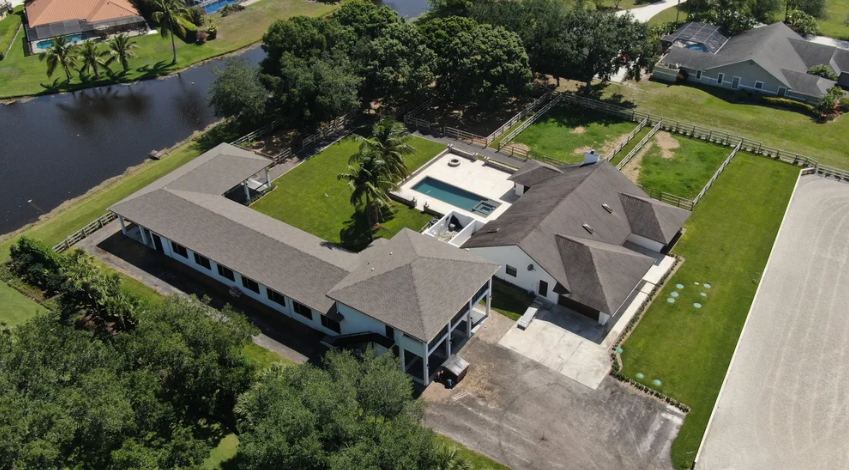
Equestrian properties require a higher level of planning, precision, and responsibility. In Palm Beach County — particularly in equestrian-focused communities — barn safety is not optional. It is essential for protecting horses, handlers, and long-term property value.
This checklist outlines critical safety considerations every equestrian property owner should address when building or upgrading a barn.
1. Fire Prevention & Protection
Barn fires are one of the most serious risks on equestrian properties.
Safety measures should include:
-Fire-resistant construction materials.
-Properly rated electrical systems.
-Clearly marked emergency exits.
-Fire extinguishers placed throughout the barn.
Early planning significantly reduces risk.
2. Proper Ventilation & Airflow
Adequate ventilation supports both safety and animal health.
Key considerations:
-High ceilings
-Ridge vents or cupolas
-Cross-ventilation through stall placement
-Proper airflow without direct drafts
Poor ventilation can lead to respiratory issues and excess moisture buildup.
3. Electrical & Lighting Safety
Electrical systems must be designed specifically for barn environments.
Best practices include:
-Enclosed wiring.
-Moisture-rated fixtures.
-Adequate lighting for aisles and stalls.
-Emergency lighting where required.
Improper electrical installation is a leading cause of barn fires.
4. Stall Design & Layout
Safe stall design improves daily operations and reduces injury risk.
Important features:
-Proper stall sizing.
-Rounded or protected edges.
-Non-slip flooring.
-Secure latches and hardware.
Materials should be durable, low-maintenance, and horse-safe.
5. Aisle Widths & Traffic Flow
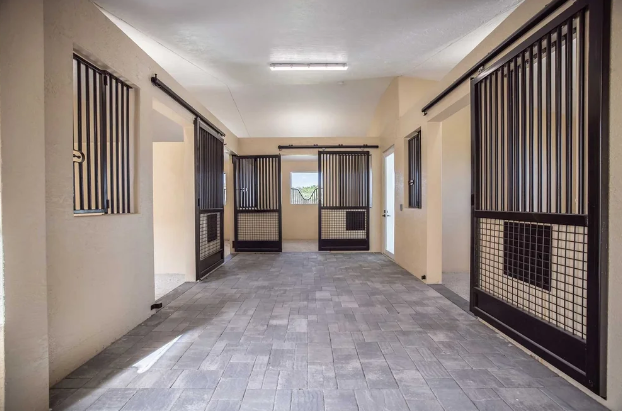
Efficient layout improves safety for both horses and handlers.
Recommended planning includes:
-Wide center aisles
-Clear access to exits
-Separate equipment storage
-Space for grooming and tacking
Crowded or poorly planned barns increase accident risk.
6. Drainage & Moisture Control
South Florida’s climate makes drainage critical.
Effective solutions include:
Proper site grading.
Drainage systems around barn foundations.
Moisture-resistant flooring.
Adequate roof overhangs.
Standing water creates both safety and health concerns.
7. Emergency Access & Response Planning
Emergency situations require quick action.
Barns should allow:
-Easy access for emergency vehicles.
-Clear signage.
-Safe evacuation paths.
-Secure turnout areas when needed.
Emergency planning should be considered during design — not after construction.
Why Professional Planning Matters
Equestrian barns are specialized structures. Working with professionals who understand local codes, climate conditions, and equestrian workflows ensures safety is built into every detail.
Well-designed barns protect animals, simplify daily operations, and preserve long-term property value.
Planning an Equestrian Property?
Contact TCI to get started on your project today!
If you’re building or improving an equestrian facility in Palm Beach County, prioritizing safety from the start creates a stronger, more functional property for years to come.
