
What to Know Before Building an Equestrian Property in Wellington

Wellington is internationally known for its equestrian lifestyle—and building here is very different from standard residential construction.
Before breaking ground on an equestrian estate, it’s critical to understand zoning, safety requirements, land preparation, and long-term functionality.
Wellington, FL-Frequently Asked Questions
Wellington, FL- Code of Ordinances and Unified Land Development Code
Zoning & Land Use in Wellington
Equestrian properties in Wellington must comply with:
Agricultural or equestrian zoning classifications.
Specific land-use allowances for barns, arenas, and stables.
Setback and drainage regulations.
Zoning in Wellington directly influences how an equestrian property functions day to day. Barn placement, arena orientation, and accessory structures must be planned within zoning constraints that often differ from traditional residential neighborhoods. Addressing these requirements early prevents costly redesigns and ensures the property is approved as intended.
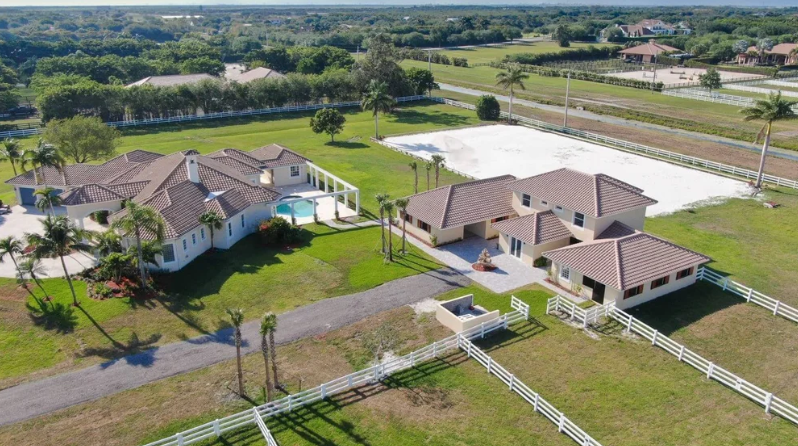
Planning the Full Equestrian Layout
A well-designed equestrian property considers:
Main residence placement.
Barn orientation for ventilation.
Arena location and footing.
Truck and trailer access.
Long-term expansion potential.
Poor planning early can be expensive to correct later.
Successful equestrian estates are designed as complete systems rather than individual structures. The relationship between the residence, barns, arenas, and access points affects daily operations, long-term flexibility, and maintenance costs. Poor layout decisions made early can be difficult—and expensive—to correct once construction is underway.
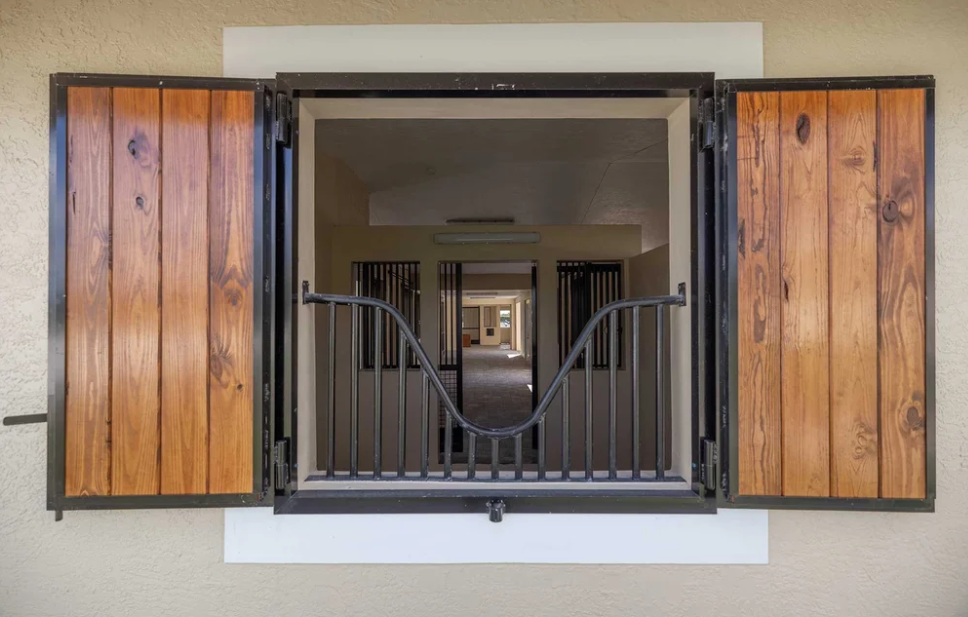
Barn Design & Safety Considerations
Safety is non-negotiable. A proper barn should include:
Fire-resistant materials.
Adequate aisle widths.
Proper ventilation.
Safe electrical and lighting systems.
Easy emergency access.
(See our Equestrian Barn Safety Checklist for a full breakdown.)
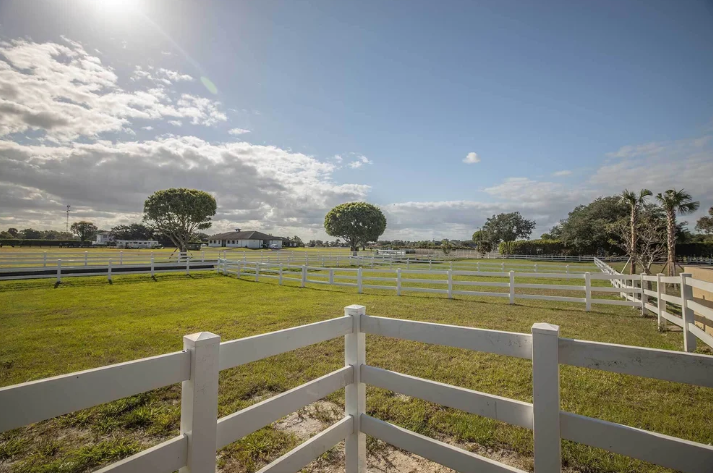
Drainage & Soil Preparation
South Florida’s soil and water table require special attention:
Proper grading to prevent standing water.
Drainage systems around barns and arenas.
Footing designed for heavy use and rainfall.
Drainage and soil preparation are among the most underestimated components of equestrian construction in South Florida. Improper grading or insufficient drainage planning can impact footing performance, increase maintenance demands, and create long-term usability issues. Investing in engineered solutions at this stage protects both the land and the structures built on it.
Permits & Inspections
Equestrian properties typically require:
Separate permits for barns and arenas.
Environmental and drainage approvals.
Utility coordination.
Working with a contractor familiar with Wellington regulations can save months in delays.
Long-Term Functionality Matters
Luxury equestrian estates aren’t just about appearance. They should:
Support daily operations efficiently.
Protect horses year-round.
Maintain property value.
Adapt to future needs.
Why Experience Matters in Wellington
Building an equestrian property in Wellington is a highly specialized process that demands thoughtful planning, technical expertise, and a deep understanding of both local regulations and equestrian lifestyles. From zoning and land preparation to barn safety, drainage, and long-term functionality, every decision made early on directly impacts how the property performs for years to come.
When designed and executed correctly, a Wellington equestrian estate becomes more than a residence — it’s a cohesive, efficient environment that supports daily operations, protects valuable assets, and preserves long-term value. Partnering with a construction team experienced in Wellington’s unique requirements ensures your project is approached with intention, precision, and respect for what makes equestrian living here truly distinct.
If you’re planning an equestrian property in Wellington, working with professionals who understand both luxury construction and equestrian requirements is essential. Our team has experience with all facets or equestrian construction.
